Support from Elevance Health Foundation expands medically tailored nutrition through five Food is Medicine Coalition agencies nationwide
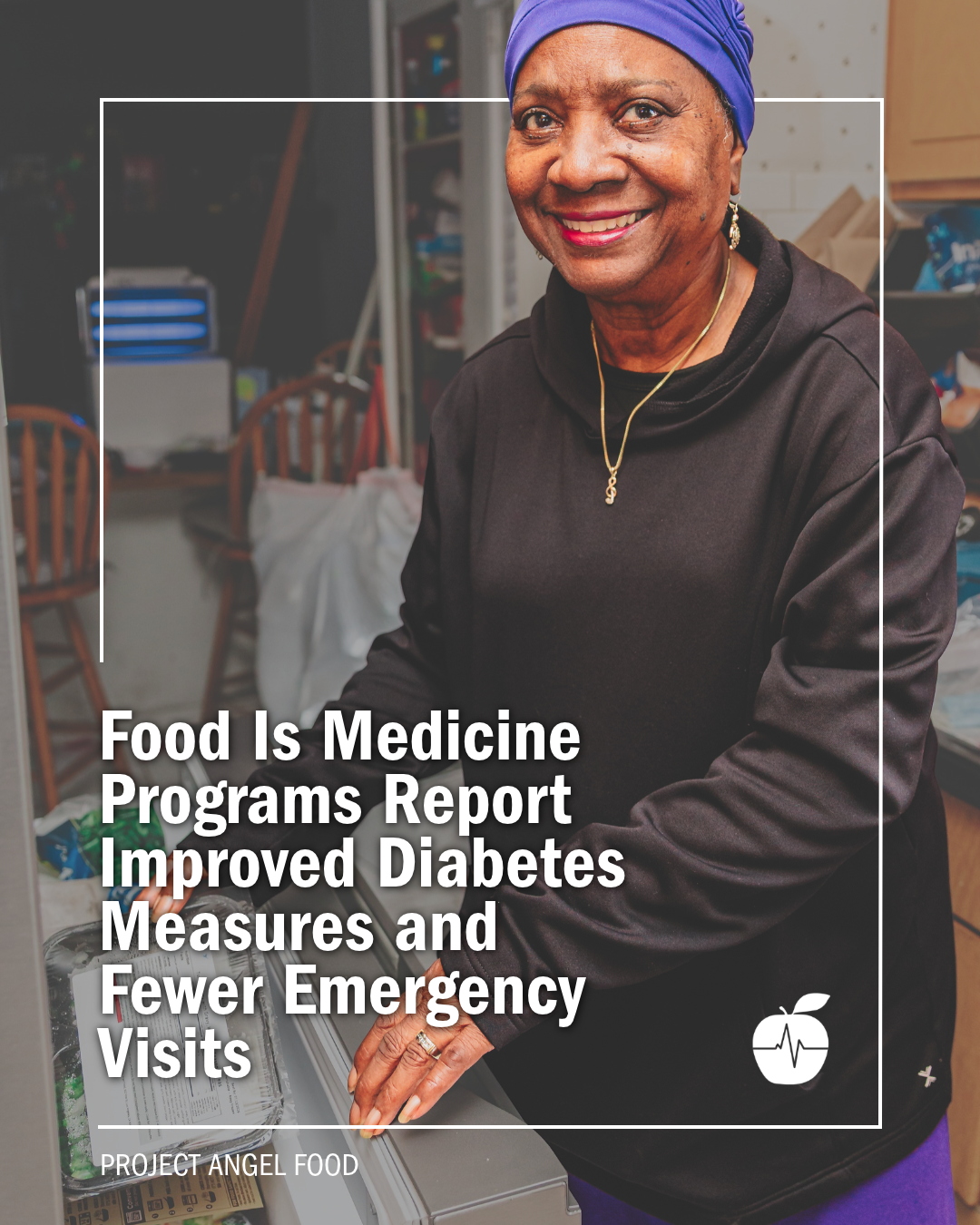
Multiple Food is Medicine Coalition (FIMC) agencies supported by grants from Elevance Health Foundation recently reported improvements in blood sugar measures and quality of life, along with fewer hospital or emergency department visits among participants in programs serving people living with diabetes.
The results span five agencies and multiple years of responsive service to community: Food & Friends in Washington DC, Project Open Hand and Project Angel Food in California, Open Hand Atlanta in Georgia, and Project Angel Heart in Colorado. The Foundation’s multiyear investment supported services including medically tailored meals, produce prescriptions and individualized nutrition education, with programs connecting participants to nutrition and support suited to their health needs. Overall, this partnership served more than 8,000 individuals with nearly one million MTMs and more than 212,700 produce prescriptions.
Key outcomes reported by individual programs include:
- Improved diabetes measures. Project Angel Food reported that after being on their medically tailored meal program, 83% of participants had lowered their HbA1c, a measure of average blood sugar. In Open Hand Atlanta’s separate six-month produce prescription program, average A1c decreased from 8.4% to 7.7%, with 67% of participants showing improvement. Participants with the highest initial risk saw even greater gains, with more than three-quarters of those starting above 9% experiencing improvement.
- Fewer hospital and emergency visits. Project Open Hand reported that 83% of clients reduced or avoided hospital readmission. Project Angel Heart reported fewer emergency department visits among 75% of participants who had previously used emergency departments.
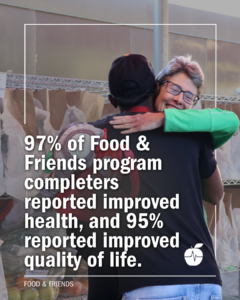
- Better quality of life. Among Food & Friends participants who completed the program, 97% reported improved health and 95% reported improved quality of life, and 79% said they were better able to manage their chronic condition.
“For people living with severe and chronic illness, nutrition support needs to be practical, consistent and connected to their care,” said Alissa Wassung, Executive Director of FIMC. “These results give healthcare partners a clearer picture of what community-based Food Is Medicine programs can offer and where we need to continue to support delivery and measure impact. We are grateful for the Elevance Health Foundation’s investment in community health across the country.”
Today, access to medically tailored nutrition depends heavily on where a person lives, whether their insurance program offers the service, and if there is a community-based organization in the area that can fill the gap. This support helped participating agencies expand free home delivery and mobile distribution, offer multilingual educational materials and provide culturally responsive nutrition support. Holistic, whole person care helped reach participants facing barriers to obtaining food appropriate for their medical needs.
“Our partnership supports community organizations that connect people with nutrition services designed around their health needs,” said Dr. Shantanu Agrawal, Chief Health Officer at Elevance Health. “The reported improvements in diabetes measures and quality of life emphasize the value of supporting these services and evaluating how they fit into ongoing care.”
Programs paired tailored nutrition with services such as registered dietitian counseling, cooking instruction and education on meal planning, nutrition labels and portion sizes. Partnerships with healthcare providers helped the inclusion of food is medicine services become an integrated part of managing each client’s conditions.
The findings offer healthcare organizations and funders program-level information to inform decisions about medically tailored nutrition and future evaluation. Additional research can help clarify which approaches produce sustained improvements and how to expand access for people with complex health needs.